


Teacher Feature – Clinton Hayden
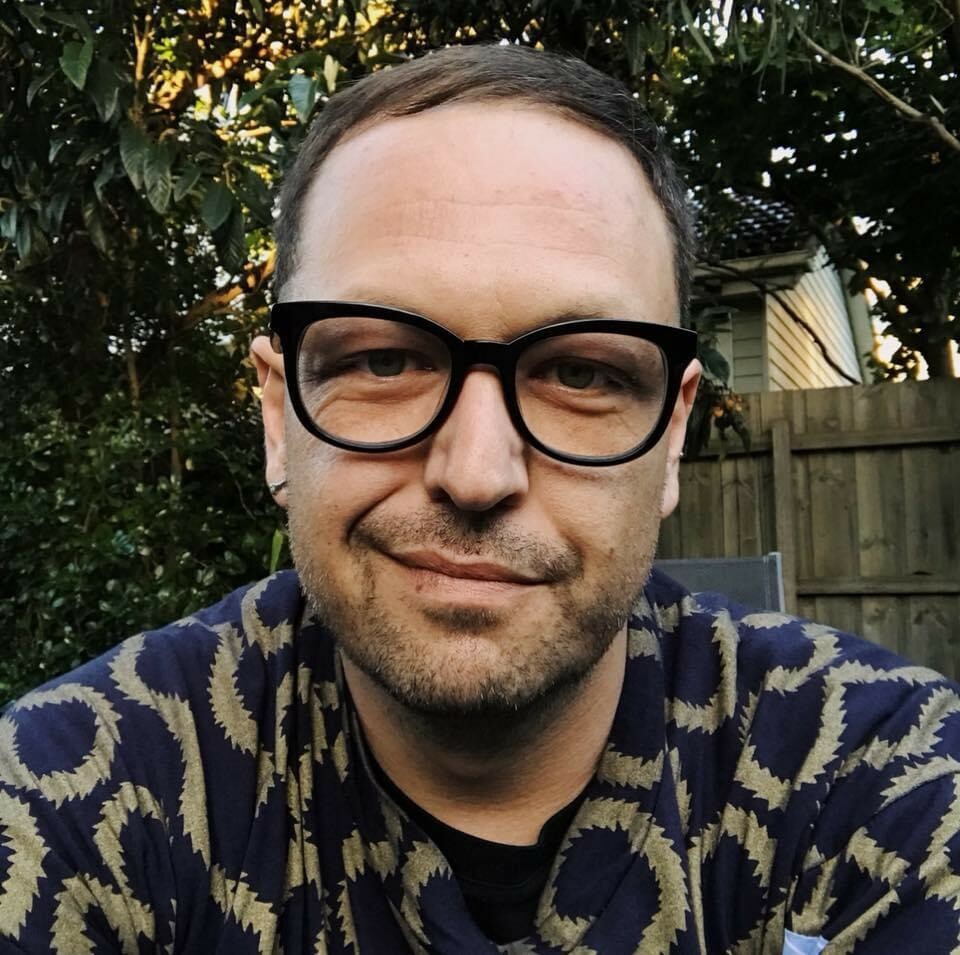
Yiradhu Marang, my name is Clinton Hayden. I’m a Wiradjuri-Australian educator, artist and cultural advocate based in Naarm/Melbourne, Wurundjeri Woi-Wurrung Country, Victoria. My journey has always been deeply influenced by my connection to my Wiradjuri heritage, which has shaped my artistic practice and my work in education. I hold a Bachelor of Arts (Visual) from the Australian National University, a Master of Fine Art with Distinction from RMIT, and a Graduate Certificate in Wiradjuri Language, Culture, and Heritage from Charles Sturt University. These qualifications demonstrate my commitment to lifelong learning and cultural education, while also highlighting my dedication to integrating First Nations perspectives into broader societal dialogues.
Professional Journey: Bridging Education and Cultural Leadership
Through my work with the Narragunnawali: Reconciliation in Education program, I’ve had the opportunity to help educators integrate First Nations perspectives into their teaching practices. This involves developing resources to support educators to authentically embed Aboriginal and Torres Strait Islander histories and cultures into their classrooms. I’ve seen firsthand how this shifts the educational landscape, offering students a richer understanding of our shared history.
I also contribute to reconciliation community-of-practice initiatives, bringing together Indigenous and non-Indigenous communities to foster dialogue and mutual respect. These conversations are crucial to dismantling historical barriers and creating spaces for true reconciliation. I’ve seen how education can shift attitudes, opening doors to greater empathy and connection. Education has the power to shift perspectives and dismantle historical barriers and create anti-racist spaces where learning occurs. I’m committed to equipping educators with the knowledge they need to teach these important histories respectfully and, ultimately, help shape future generations who carry forward lessons of reconciliation.
Artistic Practice: Reclaiming Narratives through Diverse Mediums
As an artist, my practice has always been a way to express and reclaim the complexities of Aboriginal identity. Through mediums like polaroids, photography, AI image generation, drawing and bricolage, I explore themes of belonging, identity and the human condition. My work is intrinsically connected to my Wiradjuri heritage, which I continue to draw from as I navigate and reimagine Indigenous queer identities.
Through Indigenous Queer Futurism, I blend traditional techniques with modern technologies like AI, creating new narratives for Aboriginal queer men. In doing so, I place their stories within the broader queer canon, reclaiming spaces that have often been overlooked. This process connects the past and future, celebrating the ongoing resilience of our cultures through a contemporary lens.
Commitment to Education and Reconciliation: Empowering the Future
Education has always been at the heart of my work, not just as a tool for learning but as a vehicle for social change. In my role, I’ve helped shape learning environments that honour the histories, languages and cultures of Aboriginal and Torres Strait Islander peoples. Working alongside educators, I’ve seen how embedding First Nations perspectives into curricula enriches the learning experience and creates a more inclusive and respectful educational space.
Through the team’s contributions, I’ve seen educators gain the confidence to approach Aboriginal and Torres Strait Islander histories with greater sensitivity. It’s been gratifying to witness the positive impact this has had on students’ understanding of Australia’s shared cultural heritage.
Looking Ahead: Shaping the Future of Reconciliation in Education
My work with the Narragunnawali team has allowed me to contribute to developing new resources that help educators integrate Aboriginal and Torres Strait Islander perspectives into all subjects. These resources have made it easier for students and educators to engage with and appreciate the diverse cultures of Aboriginal and Torres Strait Islander peoples, all while fostering a broader understanding of reconciliation.
Working with the Narragunnawali team has sparked a deeper reflection on how education can be a tool for healing and change. I’m proud to be part of a movement reshaping how future generations engage with and understand First Nations peoples. I continue to see the impact of these educational shifts in building a more inclusive society.